Godzilla Roll: Biography, Origins, Ingredients, Popularity, and Interesting Facts

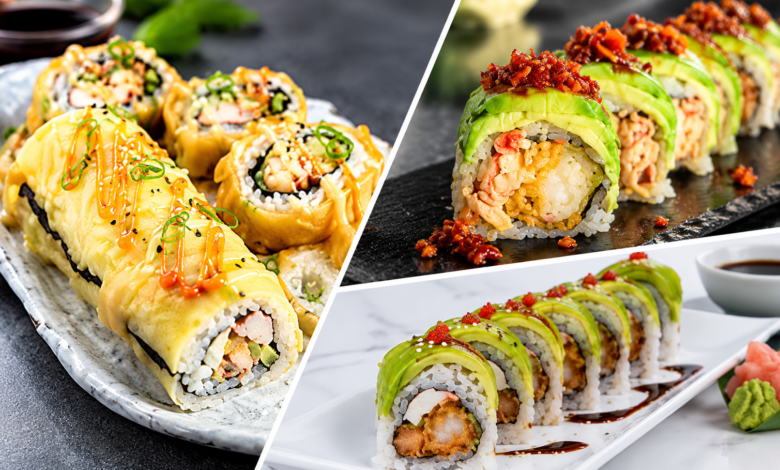
Godzilla Roll is a common name for a specialty sushi roll served in Japanese restaurants and Asian fusion dining establishments. Known for its bold presentation and mix of seafood, rice, vegetables, and flavorful sauces, it has become a popular choice for diners who enjoy creative sushi.
Unlike a traditional California roll or Philadelphia roll, the Godzilla Roll does not follow one universally accepted recipe. Restaurants interpret the name differently, creating their own versions with ingredients such as shrimp tempura, spicy tuna, imitation crab, avocado, cucumber, and crunchy toppings.
The name draws attention because it references Godzilla, the famous fictional monster associated with Japanese popular culture. However, the precise history of the first Godzilla Roll is not firmly established. No universally recognized inventor or documented founding date can be confidently attributed to the dish.
Although Godzilla Roll is not a conventional celebrity biography subject, its culinary identity, possible origins, restaurant variations, and popularity offer an interesting story about how modern sushi continues to evolve.
What Is Godzilla Roll?
Godzilla Roll is generally understood as a specialty sushi preparation rather than a standardized Japanese dish. Its ingredients vary by restaurant, chef, and local customer preferences.
Some versions emphasize fried seafood and crunchy textures, while others feature spicy tuna, avocado, and decorative toppings. Sauces often contribute sweetness, heat, or richness.
Common Ingredients
Many Godzilla Roll recipes use a combination of the following ingredients:
- Sushi rice seasoned with rice vinegar, sugar, and salt.
- Nori, the edible seaweed sheet that holds sushi together.
- Shrimp tempura or another seafood filling.
- Spicy tuna, imitation crab, or other seafood.
- Avocado and cucumber for freshness and texture.
- Tobiko or other fish roe for additional texture.
- Spicy mayonnaise, eel sauce, or similar toppings.
Not every restaurant uses all these ingredients. Some preparations are deep-fried, while others remain unfried and rely on crunchy fillings or toppings for texture.
Why Is It Called Godzilla Roll?
The name likely reflects the dish’s dramatic presentation, substantial fillings, or bold flavors. Godzilla is internationally recognizable as a powerful fictional monster, making the name memorable on a restaurant menu.
However, a definitive explanation of the name’s origin has not been established. Therefore, it would be inaccurate to claim that one chef invented the name for a specific reason without supporting evidence.
The Origins and History of Godzilla Roll
The Influence of Japanese Sushi Culture
Understanding Godzilla Roll begins with the broader history of sushi. Sushi developed through a long culinary tradition involving rice, preservation techniques, seafood, and regional preparation methods.
Modern sushi includes many different forms, from simple fish-and-rice preparations to elaborate rolls combining cooked seafood, vegetables, sauces, and contemporary ingredients.
Specialty rolls became particularly familiar in international Japanese restaurants, where chefs adapted sushi to local tastes and experimented with ingredients that were not necessarily part of traditional Japanese preparations.
The Rise of Specialty Sushi Rolls
As sushi gained international popularity, restaurants introduced creative combinations to appeal to a wider audience.
The California roll, for example, introduced many diners to sushi through familiar ingredients and an accessible presentation. Other specialty rolls incorporated tempura, mayonnaise-based sauces, cooked seafood, and colorful toppings.
Godzilla Roll fits within this broader trend of restaurant creativity.
Its exact origins are hard to trace because multiple establishments use the name, and no single authoritative recipe or universally documented origin story exists.
Is Godzilla Roll a Traditional Japanese Dish?
Godzilla Roll is better described as a modern specialty sushi roll than as a traditional Japanese preparation with a fixed recipe.
Its ingredients may draw from Japanese culinary techniques, but combinations such as spicy mayonnaise, deep-fried seafood, and elaborate sauces reflect the broader evolution of contemporary sushi dining.
The distinction matters because restaurant menus often use familiar Japanese culinary terms for dishes that have developed through international food culture.
How Restaurants Prepare Godzilla Roll
Preparation varies, but many versions follow a similar sequence.
Preparing the Sushi Rice
The rice is cooked until tender and seasoned with a mixture commonly containing rice vinegar, sugar, and salt. It is then cooled sufficiently for handling.
Properly prepared sushi rice should hold together without becoming excessively wet or mushy.
Adding the Filling
The chef spreads rice over a sheet of nori or uses an inside-out rolling technique, depending on the intended presentation.
Fillings may include shrimp tempura, spicy tuna, crab, cucumber, or avocado. Ingredients are arranged carefully to help the roll maintain its shape.
Rolling and Shaping
The ingredients are rolled together using a bamboo sushi mat or another suitable rolling method.
The chef applies enough pressure to keep the ingredients together without crushing the rice or squeezing out the filling.
Frying and Adding Toppings
Some Godzilla Roll recipes use deep-fried components or fry the assembled roll. Others are served without frying.
The finished roll may be topped with avocado, fish roe, spicy mayonnaise, eel sauce, or crunchy ingredients.
It is then cut into bite-sized portions and served with accompaniments such as soy sauce, pickled ginger, and wasabi.
Popular Variations of Godzilla Roll
Because no single recipe defines the dish, different restaurants offer noticeably different versions.
Shrimp Tempura Godzilla Roll
This version uses battered, fried shrimp as the main ingredient. The crispy shrimp provides contrast with the softer rice and vegetables.
Avocado, cucumber, spicy mayonnaise, or eel sauce may be added, depending on the restaurant’s recipe.
Spicy Tuna Godzilla Roll
Some restaurants emphasize spicy tuna combined with crunchy ingredients and avocado.
This variation appeals to diners who enjoy a stronger flavor profile. Because it may contain raw fish, customers should confirm the ingredients and preparation method before ordering.
Deep-Fried Godzilla Roll
Deep-fried versions are designed for people who prefer a warm, crunchy sushi preparation.
The roll may have a crisp outer coating while retaining a soft interior. The additional frying oil and coating can also increase its calorie content compared with simpler sushi options.
Crab and Avocado Godzilla Roll
Another variation combines imitation crab or other crab-based fillings with avocado, cucumber, and sauces.
This combination emphasizes creamy textures and mild seafood flavors rather than heat.
These variations show why customers shouldn’t assume every restaurant’s Godzilla Roll has the same ingredients.
Taste, Texture, and Presentation
One reason specialty rolls attract attention is their combination of contrasting textures.
A typical Godzilla Roll may include soft rice, crisp tempura, creamy avocado, and a smooth sauce. Spicy ingredients can provide additional contrast, while seafood contributes a savory flavor.
Presentation also plays an important role. Restaurants may arrange the slices in a neat row, add decorative toppings, or drizzle sauces across the plate.
The final appearance can range from relatively simple to elaborate, depending on the chef’s approach.
For diners unfamiliar with specialty sushi, asking about the filling and preparation method is often the easiest way to see whether the dish suits their preferences.
Is Godzilla Roll Healthy?
Whether Godzilla Roll is a healthy choice depends on its ingredients, portion size, sauces, and cooking method.
Sushi rice provides carbohydrates, while seafood can contribute protein. Vegetables such as cucumber and avocado provide different nutrients, and fish may supply beneficial fats depending on the species used.
However, some versions contain deep-fried ingredients, generous amounts of mayonnaise, or sweet sauces. These additions can increase overall calories, fat, sodium, and sugar.
Nutritional Considerations
Customers who want a lighter meal can ask whether the restaurant offers a version with less sauce, extra vegetables, or no fried ingredients.
People monitoring their sodium intake should also consider soy sauce and other salty condiments.
No reliable, universal calorie count exists for Godzilla Roll because ingredients and serving sizes vary. When available, a restaurant’s published nutrition information is a better guide than a generic estimate.
Seafood Allergies and Food Safety
Godzilla Roll may contain shrimp, crab, fish, roe, soy, sesame, or other allergens. Recipes differ, so diners with food allergies should confirm the complete ingredient list and ask about cross-contact during preparation.
Some versions may contain raw seafood. Choose a reputable restaurant that follows proper food-handling procedures, especially if you’re at higher risk for foodborne illness.
Godzilla Roll and Japanese Pop Culture
The name immediately evokes Godzilla, one of Japan’s most recognizable fictional characters.
First introduced in the 1954 Japanese film Godzilla, the giant monster became a major figure in international cinema and popular culture.
The character’s name has since been used in a variety of commercial and creative contexts, including food names and themed restaurant offerings.
Nevertheless, using the word Godzilla on a menu does not necessarily mean a sushi roll is officially connected to the character or its rights holders.
Restaurant dishes can adopt memorable names without being licensed products. Any claim of an official partnership would require separate confirmation.
Why Godzilla Roll Remains Interesting to Sushi Lovers
A Memorable Menu Name
The name is distinctive and easy to remember. It can encourage curiosity among customers deciding between several specialty rolls.
Room for Culinary Creativity
The absence of one universally accepted recipe gives chefs considerable freedom to experiment with ingredients, textures, and presentation.
One restaurant may focus on crispy shrimp, while another emphasizes spicy tuna or elaborate toppings.
Visual Appeal
Specialty sushi is often presented with attention to color, shape, and arrangement. This makes it suitable for restaurant photography and food-related social media content.
Different Dining Preferences
Because the recipe is flexible, restaurants can adapt the concept for customers who prefer cooked seafood, spicy fillings, or richer sauces.
However, customers should always verify ingredients rather than relying on the dish’s name alone.
Godzilla Roll in Restaurants and Online Searches
People searching for Godzilla Roll may be looking for its ingredients, a recipe, a nearby restaurant, photographs, nutritional information, or an explanation of the name.
Restaurants also use the term as a menu label, which means that search results can lead to different dishes with similar names.
For food bloggers and publishers, this creates an opportunity to explain the differences between recipes instead of presenting one preparation as the definitive version.
A useful article can help readers understand common ingredients, preparation techniques, potential allergens, and questions to ask when ordering.
It is equally important to distinguish between established culinary information and speculation about the dish’s original creator. At present, the name alone does not provide enough evidence to identify one inventor or establish a complete historical biography.
Frequently Asked Questions
1. What Is Godzilla Roll?
Godzilla Roll is a specialty sushi roll served by various restaurants. Ingredients may include shrimp tempura, spicy tuna, crab, avocado, cucumber, and sauces, though recipes vary.
2. Who Invented Godzilla Roll?
A universally recognized inventor has not been established. Multiple restaurants use the name, and no single origin story can be confidently presented as definitive.
3. What Is Inside a Godzilla Roll?
Common ingredients include sushi rice, nori, seafood, avocado, and sauces. Some versions feature shrimp tempura or spicy tuna, while others use crab-based fillings or crunchy toppings.
4. Is Godzilla Roll Raw or Cooked?
It can be either. Some versions contain raw fish, while others use cooked shrimp, imitation crab, or fried ingredients. Customers should check the specific restaurant’s recipe.
5. Is Godzilla Roll Deep-Fried?
Some recipes are deep-fried, but not all. Certain restaurants serve unfried versions with crunchy fillings or toppings.
6. How Many Calories Does Godzilla Roll Have?
There is no standard calorie count. The nutritional content depends on the ingredients, portion size, sauces, and whether the roll is fried. Restaurant nutrition information is the best source for a specific serving.
7. Is Godzilla Roll an Official Godzilla Product?
The name alone does not establish an official connection to the fictional character. A restaurant would need to show an authorized partnership before confirming such a connection.
Final Thoughts
Godzilla Roll illustrates how contemporary sushi combines established culinary techniques with restaurant creativity. Although the name suggests a distinctive signature dish, the actual ingredients, presentation, and preparation methods vary from one establishment to another.
Its appeal comes from the concept’s flexibility, the contrast between textures, and its memorable name. For anyone interested in trying it, checking the restaurant’s ingredients and preparation method is the most reliable way to know what to expect.
Editorial note: Godzilla Roll is primarily identifiable as a food term in the available information, not as a documented individual. No verified real name, birth date, family history, personal social media profile, or individual net worth can responsibly be attributed to it.