Eyelid Surgery Before and After: Results, Recovery, Benefits, and What to Expect

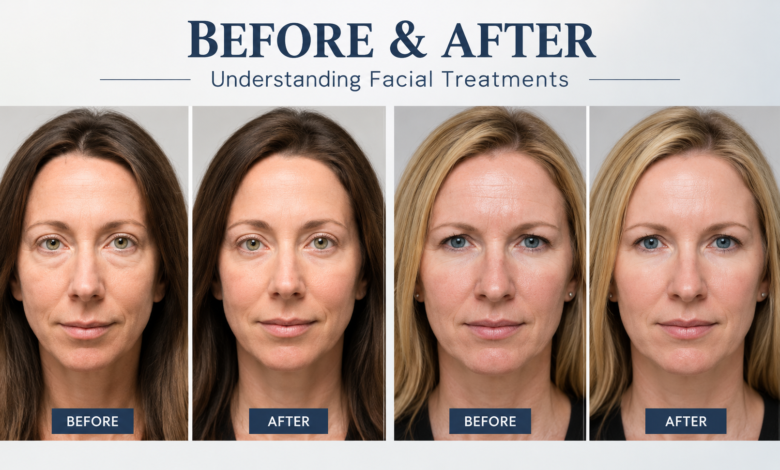
Eyelid surgery before and after comparisons have become increasingly popular among people interested in cosmetic procedures, facial rejuvenation, and natural-looking improvements. Often called blepharoplasty, eyelid surgery is designed to address excess skin, selected fat deposits, and changes around the upper or lower eyelids. Depending on the individual’s needs, the procedure may create a more refreshed appearance, improve eyelid contours, or help with vision when excess upper-eyelid skin obstructs the field of view.
However, before-and-after photographs do not tell the whole story. Every person’s facial structure, skin elasticity, healing process, and surgical goals are different. Some people notice a substantial difference, while others experience a subtle improvement that preserves their natural appearance.
Understanding what eyelid surgery involves, how results develop, what recovery looks like, and which factors influence the outcome can help readers make sense of the photographs they see online. This guide explores eyelid surgery before and after results, common reasons people consider the procedure, potential risks, costs, and frequently asked questions.
What Is Eyelid Surgery?
Eyelid surgery, medically known as blepharoplasty, is a surgical procedure that changes the appearance or function of the upper eyelids, lower eyelids, or both. It may involve removing excess skin, adjusting fat deposits, and sometimes modifying or tightening surrounding tissues.
The procedure is not limited to cosmetic improvement. In some cases, excess upper-eyelid skin can interfere with peripheral vision, making surgery a functional treatment as well as an aesthetic option.
Upper Eyelid Surgery
Upper blepharoplasty focuses on the area between the eyebrow and the eyelashes. With age, skin in this region may become loose and begin to fold over the natural eyelid crease.
A surgeon may remove a carefully measured amount of excess skin and, when appropriate, adjust underlying tissue. The incision is commonly placed within the natural eyelid crease, helping the resulting scar become less noticeable after healing.
People considering upper eyelid surgery often want their eyes to look less heavy or tired. The goal is generally to improve the eyelid’s contour without unnecessarily changing the person’s natural eye shape.
Lower Eyelid Surgery
Lower blepharoplasty addresses concerns such as under-eye bags, selected fat protrusions, and certain forms of loose skin beneath the eyes.
Depending on the individual’s anatomy, a surgeon may reposition fat, remove a limited amount of tissue, or tighten supporting structures. Some procedures use an incision inside the lower eyelid, while others require an incision just below the eyelashes.
Lower eyelid surgery requires careful planning because removing too much skin or fat can produce an unnatural appearance or affect eyelid position.
Combined Upper and Lower Eyelid Surgery
Some patients undergo upper and lower eyelid surgery during the same operation. This approach can address concerns across the entire eye area, but it is not suitable for everyone.
A qualified surgeon evaluates the patient’s eyelid anatomy, eye health, medical history, and expectations before recommending an appropriate approach.
Eyelid Surgery Before and After: What Changes Can You Expect?
The phrase “eyelid surgery before and after” usually refers to photographs showing the eye area before surgery and after the healing process. These comparisons can illustrate changes in eyelid folds, under-eye bags, skin looseness, and the overall appearance of the eyes.
However, the results depend on the type of procedure, the person’s starting anatomy, and the surgeon’s technique.
Before Surgery: Common Eyelid Concerns
Before surgery, a person may have one or several concerns, including:
- Excess skin that folds over the upper eyelid.
- Puffy lower eyelids caused partly by prominent fat compartments.
- A tired or heavy appearance around the eyes.
- Asymmetry between the two eyelids.
- Loose skin associated with aging.
- Upper-eyelid skin that interferes with vision.
Not every concern requires surgery. Under-eye darkness, for example, may result from pigmentation, thin skin, visible blood vessels, or hollowing rather than excess tissue. Blepharoplasty does not reliably correct every cause of dark circles.
Similarly, drooping of the upper eyelid itself, known as ptosis, is different from excess skin. Some people require a different procedure to address the underlying problem.
After Surgery: Potential Improvements
After healing, patients may notice that the upper eyelids look less heavy, lower-eyelid bags are less prominent, or the transition between the eyelid and cheek appears smoother.
People undergoing functional upper eyelid surgery may also experience improved vision if excess skin was obstructing their visual field and the procedure successfully addresses that obstruction.
The best outcome is not necessarily the most dramatic one. For many patients, a successful result means looking more rested while retaining their recognizable facial features.
Why Before-and-After Photographs Can Be Misleading
Online photographs can provide useful examples, but several factors affect how convincing a comparison appears.
Lighting, camera angles, facial expressions, makeup, and the position of the eyebrows can all change the appearance of the eye area. Photographs taken shortly after surgery may show swelling and bruising rather than the final result.
Some images also compare different stages of recovery or use different lighting conditions. A more meaningful comparison uses consistent angles, similar lighting, and photographs taken after sufficient healing time.
Readers should remember that individual results vary and that a photograph cannot establish whether a particular procedure is appropriate for someone else.
Eyelid Surgery Recovery Timeline
Recovery is an important part of understanding eyelid surgery before and after results. Although many people return to ordinary activities relatively quickly, complete healing takes longer than the initial recovery period.

Days 1–3: Swelling and Bruising
Swelling, bruising, tightness, and mild discomfort are common during the early recovery period. Cold compresses may be recommended by the surgical team, along with head elevation and prescribed or approved medication. Patients should follow their surgeon’s specific instructions.

Days 4–7: Early Healing
Bruising and swelling may begin to improve. Some patients have stitches removed during this period, depending on the technique and closure used. Many still need time away from strenuous activities and should attend scheduled follow-up appointments.

Weeks 2–3: Visible Improvement
Bruising often becomes less noticeable, and many people feel more comfortable returning to work or social activities. Some residual swelling, incision redness, or minor differences between the eyelids may remain.

Weeks 4–12: Results Become Clearer
The eye area continues to settle as swelling resolves and incision lines mature. Some patients need several months before the appearance is sufficiently stable to assess the outcome more confidently.
These stages are general estimates rather than a guaranteed schedule. Recovery can be slower depending on the extent of surgery, individual healing, and whether upper and lower eyelid procedures were performed together.
When Should You Expect Final Results?
Initial changes may become noticeable within the first few weeks, but the final appearance often takes several weeks to a few months to assess.
Scars may continue to soften and fade over time. Temporary asymmetry can also improve as swelling decreases, although some natural asymmetry is normal even without surgery.
Patients should avoid judging the final outcome too early. Persistent concerns should be discussed with the surgeon rather than addressed through self-treatment.
Who Is a Good Candidate for Eyelid Surgery?
A suitable candidate is generally someone in good overall health who has a specific concern that the procedure can realistically address.
There is no single ideal age for eyelid surgery. Some people develop prominent upper-eyelid skin folds relatively early, while others experience changes gradually over several decades.
Common Reasons People Consider the Procedure
Candidates may be interested in surgery because of excess upper-eyelid skin, prominent lower-eyelid bags, age-related tissue changes, or functional difficulties caused by heavy eyelid skin.
A medical assessment is important when the primary concern involves vision, eyelid position, dry eyes, or other eye-related symptoms.
When Surgery May Not Be the Best Option
Blepharoplasty may not address concerns caused mainly by eyebrow descent, deep facial hollows, pigmentation, or skin conditions.
People with significant dry-eye symptoms, certain eye disorders, uncontrolled medical conditions, or healing-related risk factors may require additional assessment or may not be suitable candidates.
A surgeon should review medications, supplements, previous eye procedures, smoking status, and relevant medical history before making a recommendation.
What Happens During an Eyelid Surgery Consultation?
A consultation helps establish whether surgery is appropriate and what kind of improvement is realistic.
Medical and Eye Assessment
The surgeon examines eyelid skin, muscle function, fat distribution, eyebrow position, and eye closure. Depending on the circumstances, visual-field testing or an eye specialist’s assessment may be recommended.
The clinician may also ask about dry eyes, contact lens use, previous procedures, allergies, and medications that can influence bleeding or healing.
Setting Realistic Expectations
Patients should explain what bothers them and what they hope to change. Reviewing standardized before-and-after photographs of patients with similar anatomy can help establish realistic expectations.
A responsible surgeon should explain the limitations of the procedure, discuss potential complications, and describe alternatives where appropriate.
Choosing a Qualified Surgeon
Because eyelid surgery takes place close to the eyes, appropriate training and experience matter. Depending on the country, a qualified plastic surgeon, oculoplastic surgeon, or another appropriately trained specialist may perform the procedure.
Patients should verify professional credentials, relevant surgical experience, the facility’s standards, and arrangements for follow-up care. They should also understand who will manage complications if they arise.
Eyelid Surgery Techniques and Their Differences
The technique used for blepharoplasty depends on the patient’s anatomy and the specific problem being treated. Not all eyelid procedures involve removing skin, and not every patient needs the same approach.
Traditional Surgical Blepharoplasty
Traditional blepharoplasty uses carefully placed incisions to remove or reposition selected tissues. Upper-eyelid incisions are often hidden within the natural crease, while lower-eyelid incisions may be placed beneath the eyelashes or inside the eyelid.
The surgeon aims to improve contour while maintaining eyelid function and protecting the eye’s natural shape.
Fat Repositioning
Some people have under-eye bags accompanied by hollows beneath them. In these cases, repositioning fat may create a smoother transition between the lower eyelid and cheek.
Removing too much fat can contribute to a hollow or aged appearance. For that reason, the surgical plan should consider both existing fullness and surrounding volume.
Non-Surgical Alternatives
Not everyone who wants a refreshed eye area needs an operation. Depending on the cause of the concern, options may include skincare, treatment of allergies, selected dermatological procedures, or other professionally administered treatments.
These alternatives have different benefits and limitations. They cannot reliably remove substantial excess eyelid skin, and some do not address the underlying anatomy responsible for prominent eye bags.
A qualified clinician can help distinguish between problems that may respond to non-surgical treatment and those that require surgery.
Eyelid Surgery Cost: What Affects the Price?
The cost of eyelid surgery varies considerably by country, city, surgeon, facility, and procedure type. Upper eyelid surgery may cost less than combined upper and lower eyelid surgery, but there is no universal price.
Several factors influence the total expense:
- Procedure type: Upper, lower, and combined operations involve different levels of complexity.
- Surgeon’s experience: Specialist training and the surgeon’s expertise may affect fees.
- Anesthesia: Costs vary depending on the anesthesia method and clinical setting.
- Facility fees: Operating-room, surgical-center, and related charges may be separate.
- Follow-up care: Consultations, medication, and additional treatment can affect the overall cost.
In the United States, published prices can range from a few thousand dollars to considerably more, particularly for combined procedures. A reliable estimate requires an individualized consultation and a clear breakdown of all charges.
When surgery is medically necessary to address documented visual obstruction, some insurance plans may cover eligible treatment. Cosmetic surgery performed solely to change appearance is generally not covered, although policies differ.
Patients should be cautious of unusually low prices that do not clearly include anesthesia, facility costs, follow-up appointments, or complication management.
Risks and Possible Complications of Eyelid Surgery
Although many people undergo blepharoplasty without major complications, it is still surgery and carries risks.
Possible complications include:
- Bleeding and infection.
- Dry eyes or irritation.
- Temporary blurred vision or difficulty closing the eyes completely.
- Scarring or changes in skin sensation.
- Uneven eyelid contours or persistent asymmetry.
- Lower-eyelid retraction or changes in eyelid position.
- Unsatisfactory cosmetic results.
- Rare but serious vision-threatening complications.
The likelihood of complications varies with the procedure, the patient’s health, and surgical technique. Removing excessive skin or fat can create problems that are more difficult to correct than the original concern.
Patients should seek urgent medical attention for sudden vision changes, severe or rapidly increasing pain, substantial bleeding, or rapidly worsening swelling after surgery. They should not assume that these symptoms are part of normal recovery.
How to Care for Your Eyes After Surgery
Following postoperative instructions is essential for safe healing and a satisfactory outcome.
Follow Your Surgeon’s Instructions
Use prescribed medications and eye ointments exactly as directed. Keep incisions clean according to the surgical team’s guidance, and attend every scheduled follow-up appointment.
Do not apply unapproved creams or cosmetic products to healing incisions.
Protect the Eye Area
Rest, keep the head elevated if advised, and use cold compresses only as instructed. Avoid rubbing the eyes or putting pressure on the surgical area.
The surgeon will explain when it is safe to resume exercise, heavy lifting, swimming, contact lenses, and makeup. Recovery restrictions should be individualized rather than based solely on someone else’s experience.
Support Long-Term Results
Sun protection can help protect healing skin and reduce the effects of ultraviolet exposure. Sunglasses and an appropriate sun-protection routine may be useful once approved by the surgical team.
Healthy habits, adequate sleep, and management of allergies can support general eye-area comfort. However, they cannot guarantee that age-related changes will not recur.
Eyelid Surgery Before and After: How Long Do Results Last?
Blepharoplasty can produce long-lasting changes, but it does not stop the natural aging process.
Once excess skin is removed, it does not simply return in its original form. Nevertheless, surrounding skin can gradually loosen, fat distribution may change, and the eyebrows and other facial tissues can continue to descend over time.
Some people retain noticeable improvements for many years. Others experience new concerns as their face changes with age.
The duration of results depends on genetics, skin quality, sun exposure, lifestyle, the original anatomy, and the surgical technique. No surgeon can guarantee a particular number of years or promise permanent results that remain unchanged throughout life.
Repeat surgery may occasionally be considered, but it requires careful evaluation because additional procedures can carry greater risks.
Eyelid Surgery Before and After in Different Age Groups
Age can influence the reasons a person considers surgery, but it should not be the only factor determining suitability.
Eyelid Surgery in Younger Adults
Younger adults may seek treatment for prominent inherited eyelid bags, particular eyelid folds, or anatomical features that have been present for years. In these cases, the decision may have less to do with aging and more to do with individual anatomy.
A careful evaluation is important to ensure that the proposed procedure addresses the actual concern without removing unnecessary tissue.
Eyelid Surgery in Middle Age
People in middle age may notice increasing skin looseness, upper-eyelid heaviness, or more visible lower-eyelid bags.
The goal may be to restore a rested appearance while preserving the person’s natural facial characteristics. Some people benefit from eyelid surgery alone, while others may need assessment of eyebrow position or other contributing factors.
Eyelid Surgery in Older Adults
Older adults may consider blepharoplasty for cosmetic reasons or because excess upper-eyelid skin interferes with daily activities and vision.
Medical fitness, eye health, medication use, and healing capacity are especially important considerations. A person’s overall health and individual circumstances matter more than age alone.
Celebrity Eyelid Surgery Before and After: Understanding Online Trends
Searches for eyelid surgery before and after often include celebrities, actors, television personalities, and public figures whose appearances are discussed across entertainment websites and social media.
These comparisons can attract attention because even small changes around the eyes may affect how a person’s face looks in photographs. However, an apparent difference does not establish that someone has undergone surgery.
Can You Tell Whether a Celebrity Has Had Eyelid Surgery?
Not reliably from photographs alone. Changes in makeup, lighting, camera angles, facial expressions, aging, weight fluctuations, and non-surgical treatments can all influence the appearance of the eyelids.
Unless a person has publicly confirmed undergoing a procedure, claims about their surgical history should be treated as unverified speculation.
Responsible reporting distinguishes between documented information and personal interpretation. It also avoids presenting cosmetic surgery as a fact simply because a person’s eyes appear different in newer photographs.
Why Are Before-and-After Comparisons So Popular?
These images offer an immediate visual comparison and help people understand the kinds of changes a procedure may produce. They also raise questions about recovery time, scarring, cost, and whether results look natural.
For readers considering surgery, medically reliable information is more useful than celebrity speculation. Photographs should be treated as examples rather than guarantees of a particular outcome.
Frequently Asked Questions
1. What is eyelid surgery called?
Eyelid surgery is medically known as blepharoplasty. It may involve the upper eyelids, lower eyelids, or both. The procedure can address excess skin and selected fat deposits, and upper-eyelid surgery may also improve vision when excess skin obstructs the visual field.
2. How long does it take to see eyelid surgery before and after results?
Some improvements become noticeable within two to three weeks as bruising and swelling decrease. However, residual swelling and incision changes can persist for several weeks or months. The final appearance is generally assessed after sufficient healing, often over several months.
3. Does eyelid surgery leave scars?
Yes, surgical incisions can leave scars. Upper-eyelid incisions are commonly placed in the natural eyelid crease, while lower-eyelid incisions may be placed beneath the eyelashes or inside the eyelid. Scars usually become less noticeable as healing progresses, but their appearance varies.
4. Is eyelid surgery painful?
The procedure is usually performed with local anesthesia, sometimes combined with sedation or other anesthesia methods. Some discomfort, tightness, swelling, and bruising can occur during recovery. Pain that is severe, rapidly worsening, or accompanied by vision changes requires urgent medical evaluation.
5. How long do eyelid surgery results last?
Results can last for many years, but they are not entirely permanent in the sense of preventing future aging. Skin, facial tissues, and fat distribution continue to change over time. The duration of improvement depends on individual anatomy, aging, and surgical technique.
6. Can eyelid surgery remove dark circles and wrinkles?
It may improve certain wrinkles caused by excess skin and reduce under-eye bags caused by prominent fat. However, it does not reliably correct dark circles caused by pigmentation, thin skin, or hollowing. A proper assessment helps determine which treatment, if any, is suitable.
7. Is eyelid surgery safe for everyone?
No surgical procedure is suitable for everyone. Dry-eye symptoms, existing eye conditions, medical problems, medications, and individual healing risks must be assessed before surgery. A qualified surgeon should explain the potential benefits, limitations, alternatives, and complications.
Final Thoughts
Eyelid surgery before and after comparisons can help explain how blepharoplasty may change the appearance and function of the eye area. The procedure can reduce excess upper-eyelid skin, improve selected under-eye concerns, and sometimes address vision problems caused by drooping skin.
Nevertheless, photographs reveal only part of the story. Recovery takes time, results vary, and cosmetic improvement is never guaranteed. The most appropriate approach depends on the individual’s anatomy, medical history, expectations, and professional assessment.
Anyone considering eyelid surgery should prioritize eye health, realistic expectations, and a qualified surgeon over dramatic online transformations. A natural-looking result is one that addresses the patient’s actual concerns while preserving eyelid function and the features that make their face distinctive.
May you also like: Do You Wear a Wig?